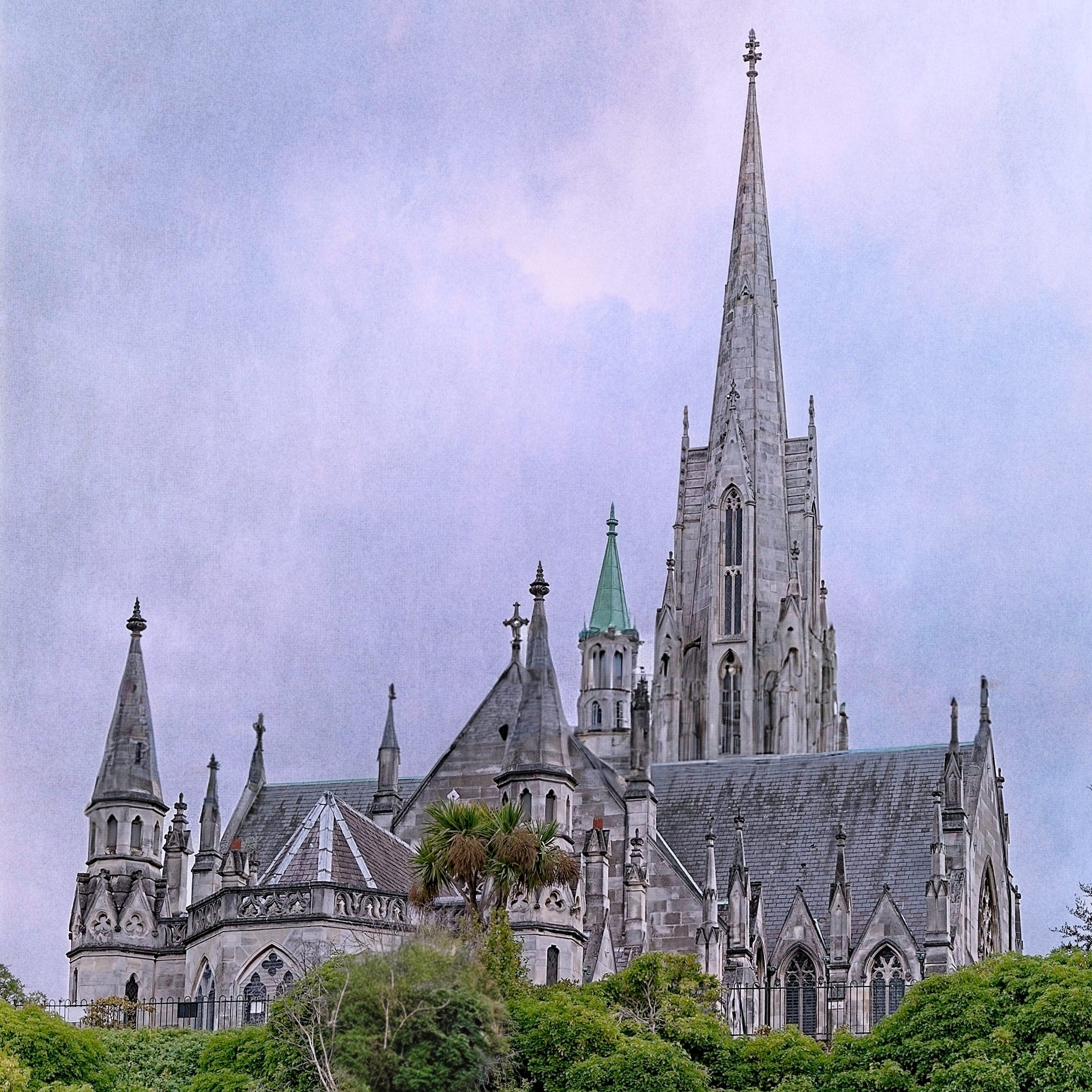
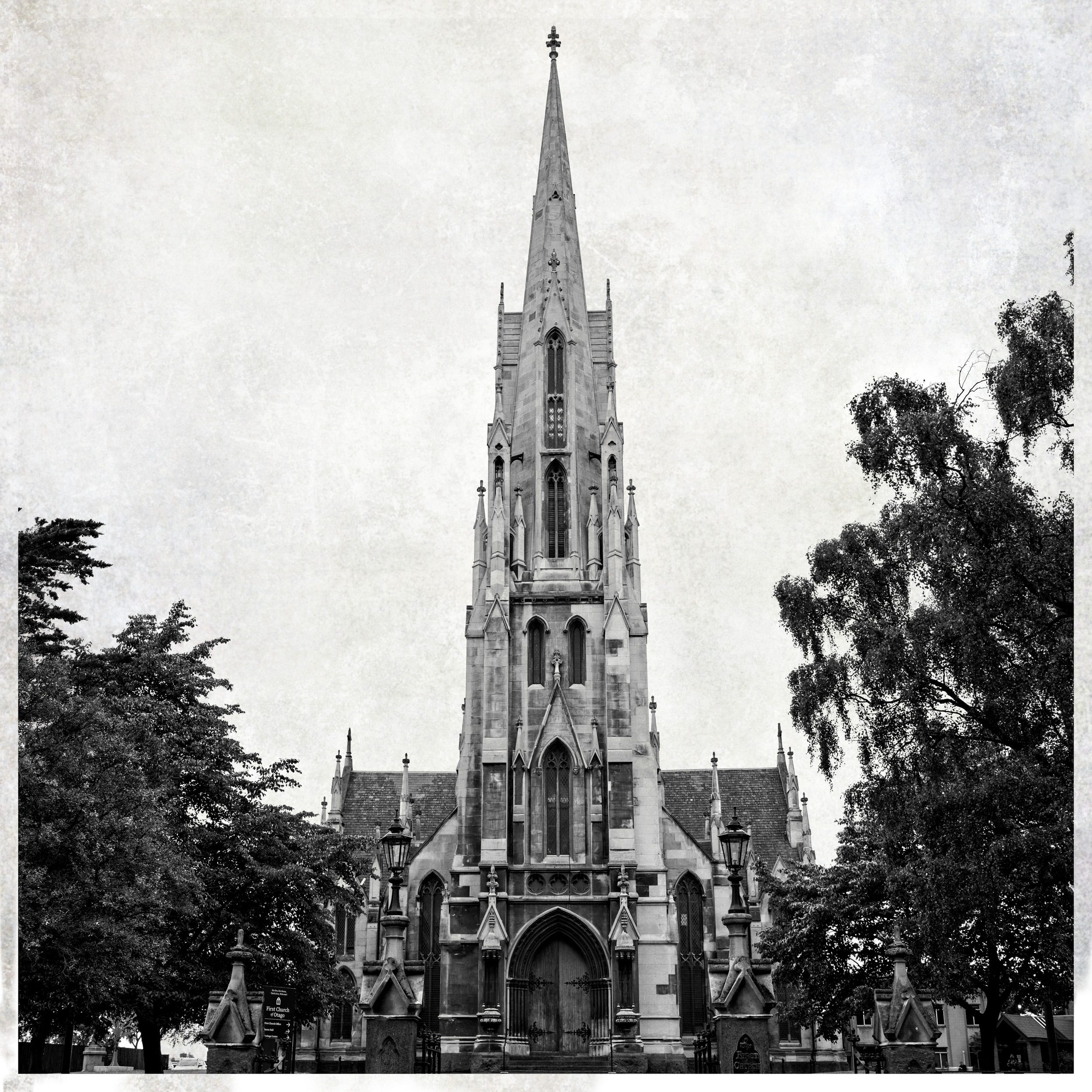
First Church of Otago - Dunedin
Long before the Scots founded at the southern tip of New Zealand’s South Island the colonial settlement of Dunedin (Scots Gaelic for Edinburgh), the indigenous Māori thrived throughout the South Island region called Otago. Māori settlement in the Otago region dates back almost a millenium, with archaeological evidence suggesting that the region was home to the earliest Māori settlements (circa 13th century) in Aotearoa New Zealand.
With the Otago gold rush of the 1860s, the colonial-era population of Dunedin swelled dramatically, making Dundein the most populous urban centre within New Zealand in the mid-19th century. And within that wave of European immigration to the Otago region, immigrants from Scotland were an outsized population.
The Scots could be noted for two virtues among many - a passion for the promotion of public education for both boys and girls, and religious adherence to the Free Church of Scotland.
The First Church of Otago stands as rapturous tesimonial to that religious foundation. It is a magnicient example of Gothic Revival architecture and specifically the Gothic Decorative style that characterised Gothic architecture of the 19th century.
The view featured at the top of this entry illustrates the elegance of the front facade. I am equally enamoured of the church’s rear facade as viewed from the Queens Garden area of city centre Dunedin.